
5 Questions to Ask a Local Roofing Contractor About Metal Roofing
Metal roofing has seen a significant rise in popularity among homeowners and building managers alike. It offers a slew of advantages over traditional roofing materials, sparking interest across diverse regions. Its durability, environmental benefits, and aesthetic versatility make it an attractive choice for many. According to This Old House, as of 2023, metal roofing is the second-most popular material for both residential and commercial roofs. Before hiring a local contractor for your metal roofing project, it's crucial to ask the right questions to ensure a successful outcome.
1. What Are the Different Types of Metal Roofing Available?
One of the first questions to ask a contractor involves the types of metals available for roofing installations. Common options include aluminum, steel, and copper, each with distinct properties. Aluminum is lightweight and resistant to corrosion, while steel offers sturdiness and versatility. Copper, though more expensive, provides longevity and a unique aesthetic. It's important to understand the pros and cons of each metal to determine which best suits your specific needs.
Beyond metal types, there are also various styles and profiles to consider, such as standing seam and metal shingles. Standing seam metal roofing features sleek, vertical lines and is known for its durability and weather resistance. Metal shingles, on the other hand, offer a traditional appearance but with the benefits of metal. Each style comes with its own set of aesthetic and functional qualities. Discuss with your contractor which style aligns best with your architectural preferences.
Additionally, pay attention to the coatings and finishes available for metal roofs. These can significantly impact the roof's appearance, longevity, and energy efficiency. Reflective coatings, for instance, can enhance energy savings by reducing heat absorption. Different finishes can also provide additional protection against environmental elements like UV rays and moisture. Discussing these options will help you select a metal roof that performs optimally in your climate.
2. How Is Metal Roofing Installed?
Understanding the installation process is crucial for anticipating potential challenges and preparing adequately. Metal roofing installation begins with the underlayment, which acts as a secondary protective barrier against leaks. Choosing the right underlayment is essential to ensure the roof's overall performance is not compromised. Common materials include felt, synthetic, and rubberized asphalt, each offering varying degrees of protection and cost. Ask your contractor which underlayment best suits your local weather conditions and roof type.
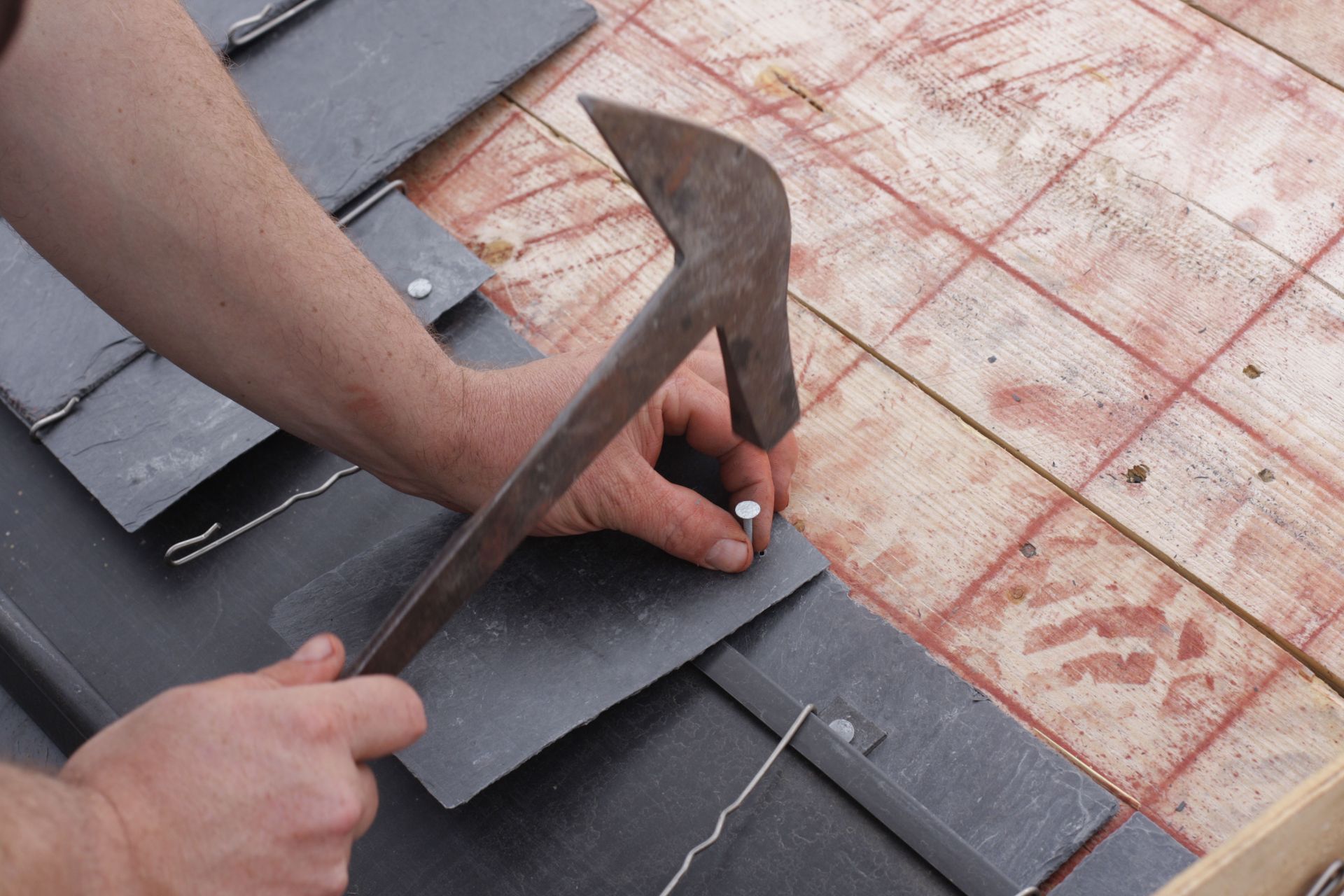
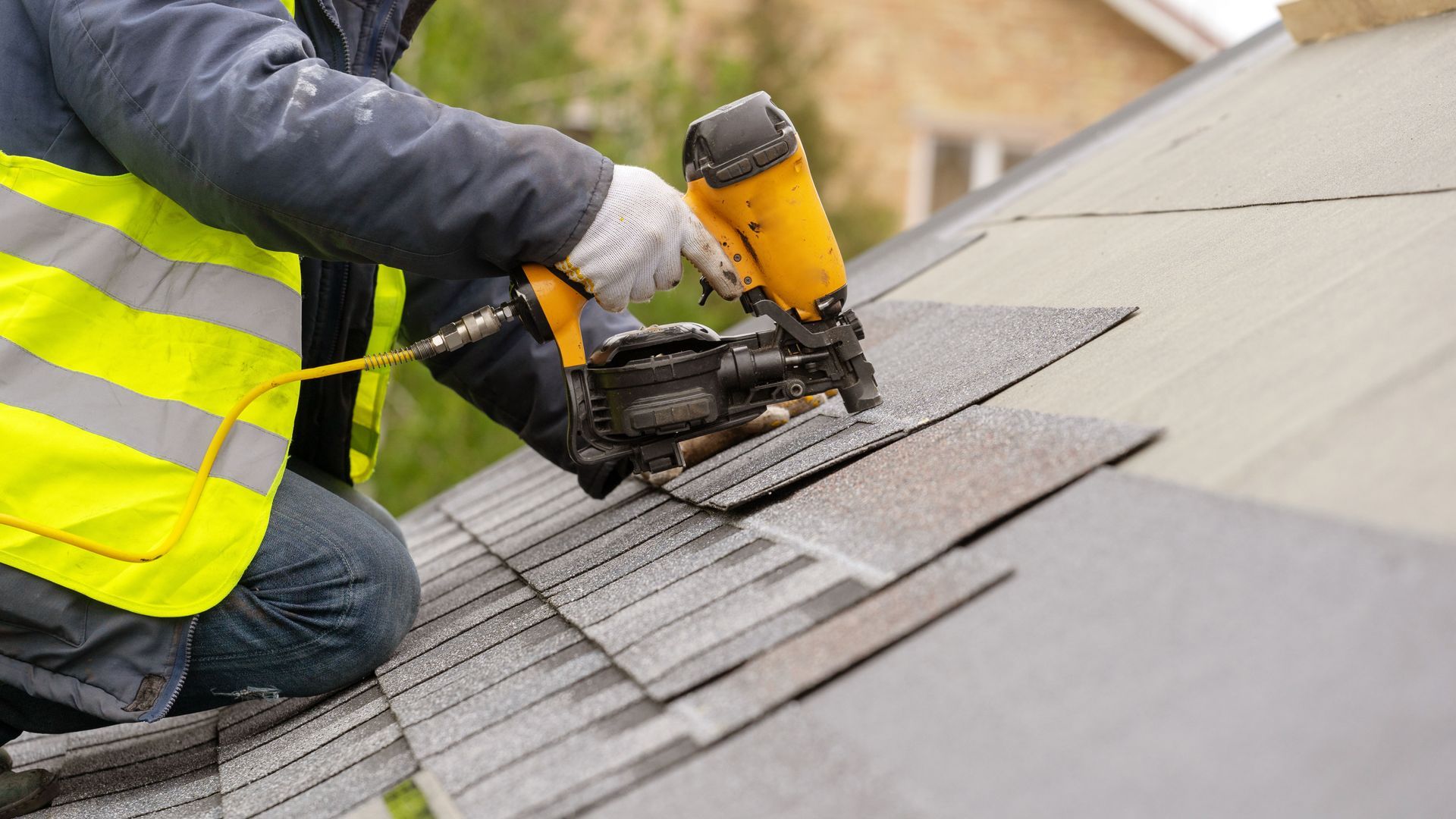
The choice of a fastening system is another key consideration. Fasteners secure the metal panels and play a critical role in holding the roofing system together. Selecting the proper type and size of fasteners is essential for maintaining the roof's integrity under various weather conditions. Contractors should explain the merits and potential drawbacks of exposed vs. concealed fasteners. Understanding these details is crucial for ensuring a long-lasting and secure roof installation.
Timeline estimation is an important aspect of any roofing project. Although metal roofing installations are generally faster than traditional roofing materials, several factors can affect the completion time. Weather conditions, roof complexity, and contractor experience all play a role in the timeline. Discuss these factors with your contractor to ensure that the project proceeds smoothly with minimal disruptions. Knowing the expected timeline also helps in organizing your schedule and managing expectations during the installation period.
3. What Are the Cost Implications?
Cost is a major consideration for any homeowner or building manager looking to install a new roof. While the initial investment for a metal roof can be higher, it often results in long-term savings due to its durability and low maintenance requirements. Metal roofs have a lifespan of 40 to 70 years, reducing the need for frequent replacements. It's essential to weigh this initial cost against the potential savings on repairs and replacements down the line. This cost-benefit analysis will offer a clearer picture of your total investment over time.
Numerous factors influence the overall cost of a metal roof, including the type of metal, roofing style, and the complexity of your roof design. Installation costs can also vary significantly based on your location and the contractor's experience and reputation. It's important to obtain detailed estimates that outline all potential costs before making a decision. This transparency helps you prepare a budget that accounts for installation without any hidden surprises.
Insurance considerations further impact the overall cost of metal roofing. Some insurance companies offer discounts for metal roofs due to their resistance to fires and high winds. Additionally, various financing and payment options are usually available, allowing for greater financial flexibility. Ask your contractor for guidance on available insurance benefits and financing plans. This knowledge can alleviate financial concerns and make investing in a metal roof a more attainable goal.
4. How Do Metal Roofs Stand Up to Severe Weather?
The resilience of metal roofing in severe weather conditions is one of its key selling points. In our experience, metal roofs are highly resistant to high winds and are usually rated to withstand gusts of up to 140 miles per hour. This makes them an excellent choice for regions prone to hurricanes or strong storms. Furthermore, their interlocking and overlapping design ensures additional stability and strength. Discussing these features with your contractor helps in evaluating the suitability of metal roofing for your location.
Snow and ice management is crucial for homeowners living in colder climates. Metal roofs naturally shed snow and ice, reducing risks associated with heavy accumulations. This shedding capability can prevent structural damage and reduce the risk of ice dams, which can lead to leaks. Understanding these benefits allows for better planning during harsh winter months. Your contractor should provide insights into how the design and slope of your metal roof can enhance snow management.
The roof's ability to withstand hail and fire is another critical consideration. Metal roofing materials are classified with high impact and fire resistance ratings, offering peace of mind during extreme weather. Their non-combustible nature significantly reduces the likelihood of fire spread. Thermal expansion and contraction are additional factors to discuss, as they can impact roof longevity. Contractors should outline how their roofing system accommodates these natural changes through innovative designs and materials.
5. What Are the Maintenance Requirements?
One of the advantages of metal roofing is its relatively low maintenance compared to other materials. However, regular inspections are still necessary to ensure its longevity. Contractors recommend biannual inspections to identify and address potential issues before they escalate. These inspections should include checking the condition of fasteners, sealants, and any potential areas of concern specific to your roof. Conducting regular inspections can maximize your roof's lifespan and ensure consistent performance.
Routine cleaning of metal roofing surfaces is straightforward and can be done with mild soap and water. Cleaning is especially important in areas with high pollen or debris levels, which can inhibit protective coatings. Proper maintenance can prevent the accumulation of dirt, leaves, and other materials that could cause moisture retention. Contractors can advise on cleaning methods and frequency to maintain your roof's aesthetic appeal. Regular maintenance helps protect your investment and ensures long-term savings.
Addressing rust and corrosion is paramount to maintaining the aesthetic and functional integrity of your metal roof. Although most modern metal roofs come with protective coatings, these can wear over time, exposing the underlying material. Repainting and resealing procedures may be necessary over the roof's lifespan. Your contractor should discuss the warning signs and preventative strategies for rust and corrosion. Understanding these requirements will ensure that your metal roof remains in excellent condition for years to come.
A diligent pre-installation discussion with your local contractor is essential for a successful metal roofing project. Inquiring about various aspects—from types and installation to cost and maintenance—ensures that you make well-informed decisions that align with your specific needs. By understanding these key considerations, you can capitalize on the immediate and long-term benefits metal roofing offers. Its resilience, eco-friendliness, and aesthetic versatility make it a compelling choice for many homeowners today. Partnering with a knowledgeable contractor ensures a smooth transition to this durable and sustainable roofing solution. If you need a reliable local roofing contractor, make sure to contact Kaptein Contracting today!
Share On: