

6 Common Residential Roofing Problems Homeowners Overlook
Maintaining a home requires constant vigilance, yet many property owners routinely neglect the structural barrier protecting their families. A sturdy overhead system shields the interior from severe weather while ensuring overall structural integrity. Unfortunately, many individuals remain oblivious to subtle warning signs, allowing minor issues to escalate into expensive disasters. Recognizing these vulnerabilities early allows you to protect your investment and prevent small defects from turning into catastrophic failures. This guide will equip you with the essential knowledge to identify these challenges effectively, helping you preserve the health of your residential roofing system.
1. Stop Persistent and Costly Roof Leaks
Water intrusion represents a frustrating challenge originating from weather-induced wear, poor installation, or compromised seals. Strong winds and heavy downpours exacerbate small vulnerabilities, creating pathways for moisture to enter the home. Inadequate sealing around chimneys, vents, and skylights permits water to seep into structural framing. Age remains a major factor as materials naturally degrade over time, making them increasingly susceptible to water penetration. Regular visual assessments help identify these potential entry points early, ensuring your residential roofing components remain completely dry and secure through every season.
Identifying leaks early prevents extensive wood rot, compromised insulation, and mold growth within attic spaces. Common signs include water stains on ceilings, peeling paint on walls, and a musty odor. Homeowners must also look for physically damaged shingles that are curling, cracking, or missing entirely from the roof. Finding a heavy accumulation of protective granules inside gutter systems indicates advanced material deterioration. Swift action is crucial once moisture is detected, as minor leaks can be patched with sealant, while extensive damage requires replacing larger sections.
2. Repair Severely Damaged Asphalt Shingles
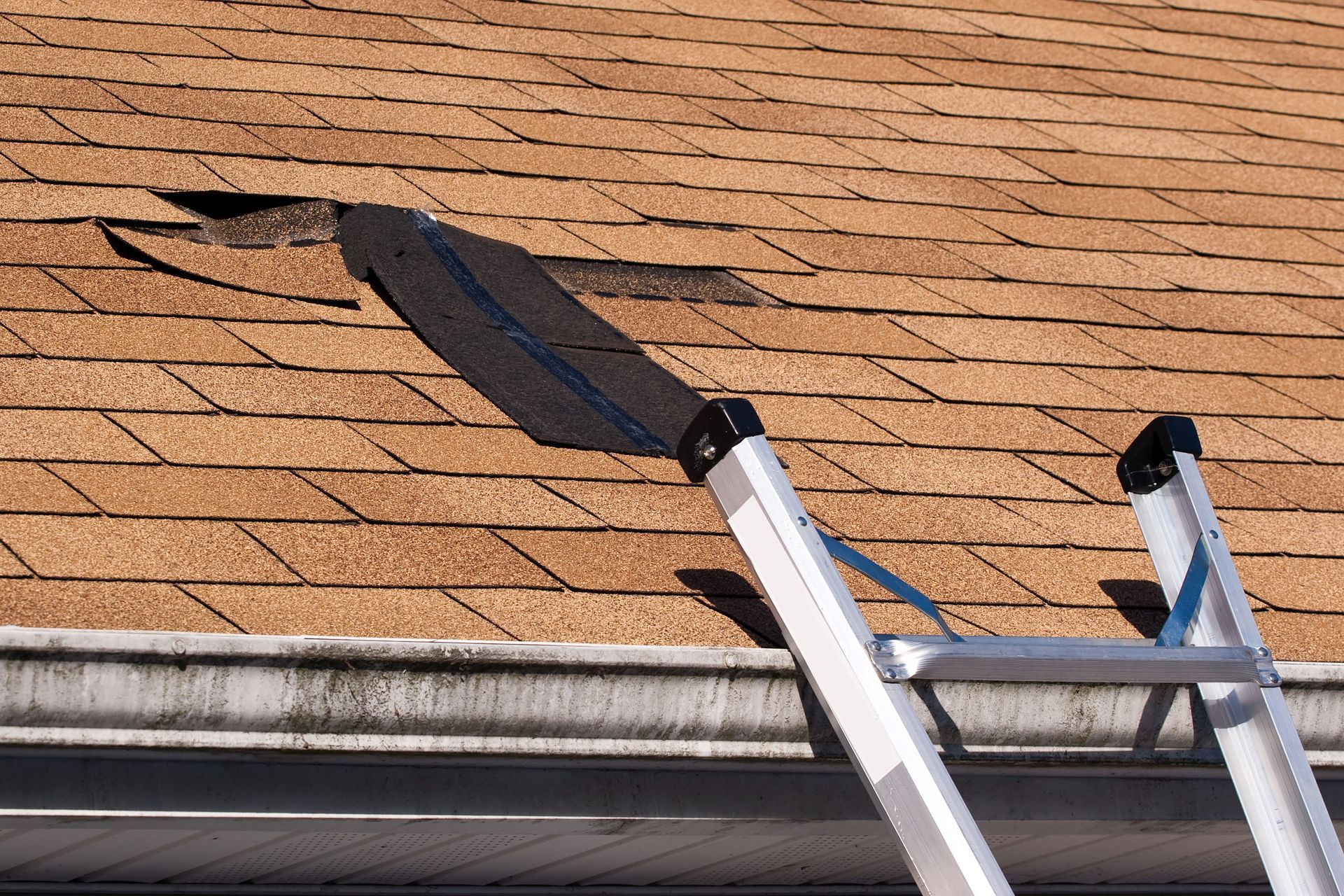
Shingle degradation manifests in distinct ways, including cracking, curling, buckling, and blistering across the surface. Cracked shingles result from thermal expansion caused by temperature fluctuations, while curling stems from inadequate ventilation. Blistering occurs when moisture becomes trapped within the shingle during manufacturing or due to intense solar heat. Each type of physical distortion requires targeted attention to prevent water from reaching the underlying wooden deck. Understanding these structural distinctions allows homeowners to address localized vulnerabilities efficiently before the protective outer layer becomes completely compromised.
Spotting these imperfections requires a keen eye during inspections, particularly after severe weather events. Homeowners should scan for bald spots where granules have washed away, alongside moss patches. Repairing or replacing these damaged pieces immediately is essential for maintaining the overall stability of your residential roofing installation. While individual shingles can sometimes be replaced or resealed as a quick fix, widespread degradation demands a comprehensive replacement strategy. Investing in timely repairs enhances curb appeal and protects long-term property value.
3. Improve Deficient Attic Ventilation Systems
Proper airflow is vital for maintaining a balanced temperature and controlling moisture levels directly beneath the surface. Effective ventilation extends the lifespan of exterior materials by reducing thermal stress caused by extreme summer heat and winter freezing. According to This Old House, a typical American home features a roof spanning 1,700 square feet, which translates to 17 squares, emphasizing why proper airflow across such an expansive area is necessary. Without consistent circulation, trapped heat will bake shingles from the inside out, causing premature failure. Prioritizing airflow protects your residential roofing investment from hidden heat damage.
Signs of poor airflow include hot rooms during summer, ice dams in winter, and damp insulation. Homeowners might notice warped decking boards or rusted nails inside the attic, indicating moisture retention. Addressing these issues involves clear strategies, such as clearing blocked soffit vents and installing continuous ridge vents to encourage natural convection. Adding active attic fans can further boost circulation in stubborn areas. Routine evaluations ensure that insulation never obstructs intake vents, preserving the long-term health and performance of the entire structure.
4. Clear Destructive and Clogged Rain Gutters
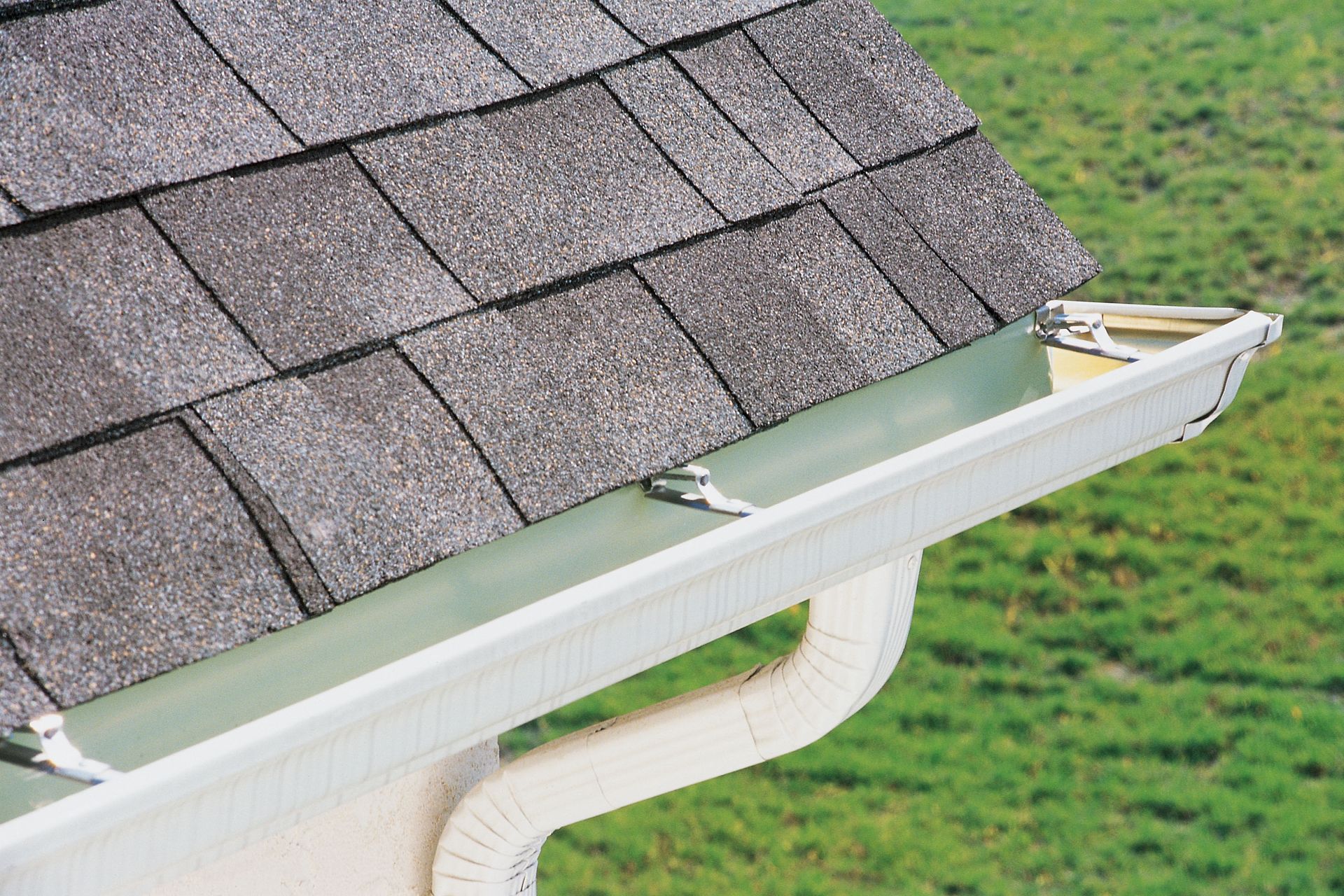
Gutter blockages occur due to accumulating leaves, twigs, pine needles, and windblown debris. When these materials obstruct pathways, rainwater overflows the sides instead of channeling away from foundations. Animals like birds and small rodents can also build nests inside the troughs, completely halting water flow during intense downpours. Regular maintenance remains essential to prevent these blockages from creating localized flooding around the perimeter. Understanding these common causes helps property owners implement proactive management strategies to keep drainage systems functioning perfectly throughout the year.
Overflowing water can back up under the eave line, saturating fascia boards and rotting the wooden structure beneath. Standing water inside troughs accelerates rusting and creates breeding grounds for pests. Maintaining clear channels ensures that heavy rainfall is directed safely into downspouts, protecting the edge of your residential roofing system from water damage. Homeowners can utilize sturdy ladders and safety gloves to remove debris, or install effective gutter guards to minimize accumulation. Choosing to clear these pathways preserves structural integrity and prevents expensive foundation erosion.
5. Fix Failing Metal Roof Flashing
Flashing serves as a defensive barrier at intersections, valleys, and penetrations across your residential roofing layout, directing water away from seams. These metal strips are installed around chimneys, plumbing vents, and skylights to bridge gaps between architectural planes. Properly installed flashing ensures that heavy rainfall flows smoothly into gutters rather than pooling in structural joints. Understanding the protective role of these metal components helps homeowners prioritize regular inspections of these areas. Ensuring every piece remains tightly sealed is crucial for maintaining a watertight barrier over your household.
Common flashing problems include surface corrosion, warping, loose fasteners, and improper installation leaving gaps for water penetration. Weather exposure causes metal to rust, while house settling tears sealant away from brick junctions. Inspecting these areas requires checking for lifting edges, cracked caulking, or missing sections that expose underlying wood. Minor flashing issues can be resolved using premium roofing cement to close small gaps. Severe damage requires replacing the entire metal section to restore complete protection, preventing hidden leaks from rotting ceilings.
6. Remove Harmful Moss and Algae Growth
Moss and algae flourish in damp, shaded environments, appearing on north-facing slopes or sections covered by overhanging branches. Accumulated organic matter traps moisture against the surface, creating a breeding ground for these organisms. Humid climates accelerate the spread of dark streaks and green patches across the exterior surface. Recognizing these favorable environmental conditions allows homeowners to take immediate preventative action before growth covers large areas. Keeping the surface clean and exposed to sunlight is the most effective way to discourage these organisms from taking root.
Left unaddressed, thick moss acts like a sponge, holding water against shingles and causing them to rot. Algae creates dark streaks that ruin curb appeal and reduce the reflective properties of your residential roofing materials, increasing cooling costs. Removing this growth requires gentle cleaning techniques, such as applying a specialized wash and rinsing with low pressure. Trimming nearby tree branches increases sunlight penetration and airflow, helping the surface dry quickly. Consistent long-term maintenance preserves the aesthetic appeal and structural functionality of your home.
Being mindful of these common issues allows homeowners to take proactive steps toward maintaining their homes, ensuring long-term safety. Regular inspections catch minor defects early, saving money on emergency repairs while successfully preserving overall property value. Understanding the specific structural needs of your home guides smarter maintenance decisions and extends the operational lifespan of your residential roofing components. Investing in routine care protects your household against unexpected weather events and secures peace of mind. Contact us at Kaptein Contracting to protect your home by scheduling your next inspection.
Share On: