

6 Smart Questions to Ask Roofers Before Signing
Hiring a professional roofer is one of the most important decisions a homeowner can make when protecting their property. A roof is the primary defense against weather, moisture, and structural damage, making contractor selection a critical step in maintaining long-term home value and safety. Asking the right questions before signing a contract helps ensure you hire qualified, reliable roofers who can deliver lasting results. The following six areas highlight what every homeowner should evaluate before making a final decision.
1. What Experience and Background Do You Have?
Experience is one of the strongest indicators of quality when evaluating roofers. Contractors with years of hands-on work are more likely to deliver consistent results and handle unexpected challenges effectively during a project. Roofing systems involve more than surface installation, and experienced professionals understand how underlying structures, ventilation, and materials all work together.
Homeowners should ask what types of projects roofers have completed, including residential homes, commercial buildings, and specialty roofing systems. A diverse background often reflects adaptability and technical skill. Roofers who have worked with multiple materials such as asphalt shingles, metal panels, and tile systems are generally better prepared for unique project requirements. Reviews, references, and testimonials also provide valuable insight into reliability and workmanship. Speaking directly with past clients can help confirm whether roofers communicate effectively, meet deadlines, and maintain quality standards throughout the job.
Certifications and ongoing training are also important indicators of professionalism. Roofers who invest in continued education are more likely to stay current with evolving building codes, safety practices, and installation techniques. A detailed portfolio of completed projects further reinforces their credibility and allows homeowners to evaluate craftsmanship firsthand. According to This Old House, the roofing contractors industry in the U.S. is projected to reach $76.4 billion in 2025, reflecting a 0.8% increase from the previous year; this highlights continued demand for skilled roofers and a highly competitive market.
2. Are You Properly Licensed, Insured, and Bonded?
Proper licensing is essential when evaluating roofers because it confirms they meet local building codes and legal requirements. Without valid licensing, homeowners risk receiving work that may not comply with regulations, potentially leading to costly corrections later. Insurance is equally important when hiring roofers. General liability insurance protects your home from accidental damage during the project, while workers’ compensation ensures you are not held financially responsible if a worker is injured on your property. Responsible roofers will always provide proof of both coverage types and allow verification upon request.
Bonding provides another layer of protection by offering financial recourse if the contractor fails to complete the job or does not meet agreed-upon standards. This safeguard is especially important for larger roofing projects where financial risk is higher. Understanding policy limits and coverage details helps homeowners determine the level of protection in place. Together, licensing, insurance, and bonding ensure roofers are operating with accountability and professionalism, reducing risk for homeowners throughout the project.
3. How Do You Structure Estimates and Pricing Transparency?
A reliable estimate process begins with a full roof inspection to accurately assess the condition of the structure. This step allows roofers to identify visible and hidden issues that could affect the scope of work and overall cost. Without a proper inspection, estimates may be incomplete or misleading.
Professional roofers should provide a detailed, itemized estimate that clearly outlines material costs, labor, permits, disposal fees, and any additional charges. This level of transparency helps homeowners understand exactly what they are paying for and reduces the likelihood of unexpected expenses later in the project. It is also important to ask how roofers handle unforeseen changes during the job. Issues such as rotted decking, water damage, or material shortages can alter the original scope. Clear procedures for documenting and approving changes help ensure both parties remain aligned.
Homeowners should also confirm how long an estimate remains valid, as material pricing can fluctuate due to market conditions. Clear timelines and pricing policies demonstrate professionalism and help prevent confusion. Payment structure is another important consideration. Reliable roofers typically outline deposit requirements, progress payments, and final payment terms in writing to ensure financial clarity from start to finish.
4. How Do You Manage Project Timelines and Communication Practices?
Clear scheduling is essential when working with roofers. Homeowners should receive estimated start and completion dates based on project size, weather considerations, and contractor availability. While delays can occur, realistic timelines help set proper expectations from the beginning. Roofers should also explain potential factors that could impact the schedule, including weather conditions, supply chain delays, or structural issues discovered during the project. Understanding these risks helps homeowners stay informed and prepared for adjustments.
Consistent communication is a key part of project management. Professional roofers provide regular updates on progress and remain available to answer questions throughout the job. Communication methods may include phone calls, emails, or onsite discussions, but the key is consistency and clarity. Weather-related delays should also be addressed upfront. Roofing work is highly weather-dependent, and responsible roofers prioritize safety while adjusting schedules as needed. Homeowners should understand how these delays are communicated and how they affect the overall timeline.
5. What Materials and Warranty Coverage Do You Offer?
The materials used by roofers have a direct impact on durability, energy efficiency, and long-term maintenance requirements. Common options include asphalt shingles, metal roofing, tile, and synthetic systems, each offering different advantages depending on climate and budget. Roofers should explain the expected lifespan, performance benefits, and maintenance needs of each material type. While higher-quality materials may require a larger initial investment, they often provide better long-term value and reduce the need for frequent repairs.
Warranty coverage is another essential factor. Manufacturer warranties protect against defects in roofing materials, while workmanship warranties cover installation-related issues. Both should be clearly explained so homeowners understand what is covered and for how long. It is also important to review any limitations or exclusions in warranty coverage. Certain conditions, such as improper maintenance or severe weather events, may impact eligibility. Clear explanations from roofers help prevent misunderstandings and ensure proper long-term protection.
6. What Safety Standards and Clean-Up Procedures Do You Follow?
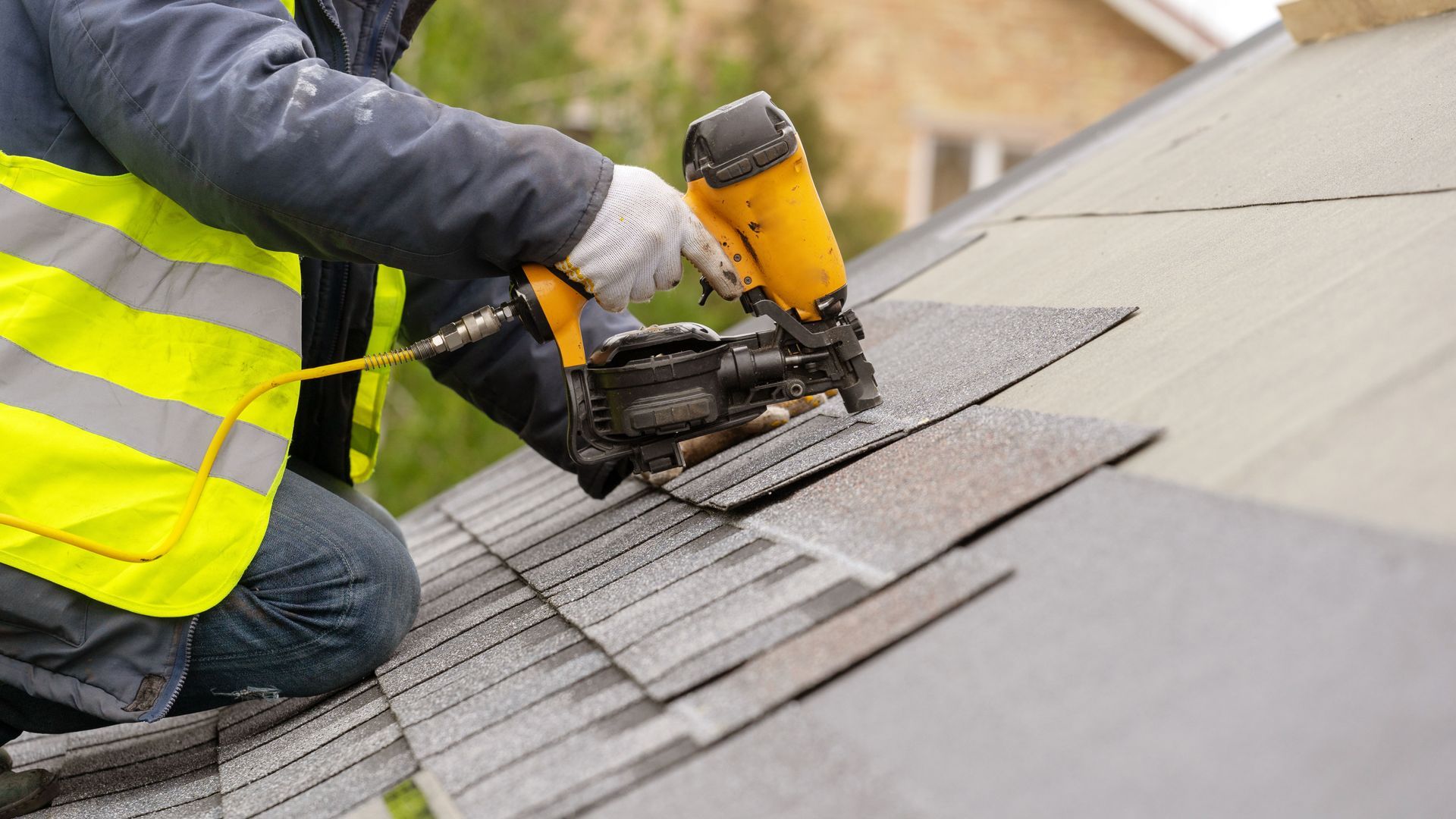
Safety is a top priority on any roofing project. Professional roofers should follow OSHA safety guidelines and use proper protective equipment to reduce risk during installation, repair, or replacement work. A safe job site protects both workers and homeowners throughout the process. Roofers should also implement protective measures for the property itself. This includes safeguarding landscaping, siding, windows, and driveways from damage during construction. Proper preparation helps maintain the condition of surrounding areas.
Team training is another important factor. Well-trained roofers are better equipped to handle tools safely, manage hazards, and prevent accidents on site. Ongoing safety training also demonstrates a commitment to professionalism and compliance. Clean-up procedures are the final step in a roofing project. Responsible roofers remove debris, nails, and leftover materials to ensure the property is left clean and safe. A thorough clean-up reflects attention to detail and respect for the homeowner’s property.
Choosing the right roofers requires careful evaluation of experience, licensing, pricing transparency, communication practices, materials, and safety standards. Homeowners who take the time to ask the right questions are far more likely to avoid costly mistakes and achieve a successful roofing outcome. A well-informed decision leads to stronger protection, improved durability, and long-term peace of mind. Taking the time to compare multiple options also helps ensure you select roofers who align with your expectations and project needs. When done properly, this process creates confidence that your investment will stand the test of time. For dependable service and expert workmanship, contact Kaptein Contracting today.
Share On: